トリモノ帖

鳥に関するあらゆるコト。あらゆるモノ。

世界中の鳥好きさんに捧ぐ。

鳥キャラ図鑑・その74『DQW14・タホドラキー』

ドラクエウォーク鳥系モンスター図鑑その14・タホドラキー
14tahodoraki1.png
https://gamewith.jp/dq-walk/article/show/167083
タホドラキーのこころはルカニを習得できる。
僧侶がルカニを打てると、長期戦になるボス戦や高難易度クエスト、メガモンスター戦で活躍可能。
特に序盤のクエストボスは「ルカニ」が効きやすいので、積極的に使うと良い。
ルカニ=敵に命中すれば、防御力を2段階低下させる強力な呪文
https://game8.jp/dqwalk/292541
14tahodoraki.png◆豆知識
森で暮らすうちに緑色に変わってしまったドラキー。
ルカナンを唱えて冒険者の身の守りを弱めるのが得意。

◆基本情報
図鑑No・・・・・・・73
コスト・・・・・・・36
こころタイプ・・・・緑(僧侶)
系統・・・・・・・・鳥系
出現頻度・・・・・・よく見かける
入手おすすめ度・・・B
HP・・・・・・・・・約350〜1,150(試練の扉イベント時)
弱点・・・・・・・・イオ・ギラ・ドルマ・バギ

◆ステータス上昇値
さいだいHP   +22
さいだいMP   +36
ちから     +16
みのまもり   +9
こうげき魔力  +13
かいふく魔力  +48
すばやさ    +13
きようさ    +16

◆特殊効果・習得スキル
ルカニ(消費MP・・・10、効果・・・5ターンの間、敵1体のしゅび力を2段階下げる)
こころ最大コスト+4
転び耐性+3%

◆タホドラキーの出現場所
・メインストーリー 3章2話 3章3話 3章4話 3章5話 3章6話 3章7話
・イベント    試練の扉(第1週目)中級6戦目(こころ入手は不可)
         試練の扉(第3週目)中級1戦目(こころ入手は不可)
edit

    このエントリーをはてなブックマークに追加  


2020年10月1日「2020 年ナイジェリア独立記念日(60 周年)」のGoogle

201001nigeria-60th-independence-day.jpg
Today’s Doodle celebrates Nigeria’s Independence Day, which is observing its 60th anniversary this year! On this day in 1960, Africa’s most populous nation declared its independence from British colonial rule. The momentous occasion signified the sovereignty and unity of Nigeria’s 36 states and was marked with fireworks, dancing, and a state banquet. Over the years, Independence Day has been an opportunity for Nigerians to showcase their rich and varied culture, from suya (spicy meat skewer) and jollof rice (one-pot tomato rice) to juju music and afrobeats.

The artwork in today’s Doodle is a nod to Nigeria’s coat of arms— specifically the eagle which represents strength. The primary colors of the Doodle are the same as Nigeria’s national colors: green signifying the country’s agricultural wealth and white a marker for unity and peace.


Happy Independence Day, Nigeria!

#google

https://www.google.com/doodles?hl=ja
google "bird"
edit

    このエントリーをはてなブックマークに追加  


2020年9月16日「2020 年メキシコ独立記念日」のGoogle

200916mexico-independence-day.jpg
Today’s Doodle, illustrated by Xalapa, Mexico-based guest artist Ina Hristova, celebrates Mexico’s Independence Day. On this day in 1810, Mexico’s decade-long struggle for independence from Spanish rule began, and the country’s sovereignty was officially recognized by Spain on August 24, 1821.

Depicted in today’s Doodle is a colorful and eclectic collection of images that represent traditional Independence Day festivities. These illustrations pay homage to an iconic Mexican folk embroidery style developed in the 1960s by the Indigenous Otomí people of Tenango de Doria in central Mexico. The shape of the Doodle artwork is inspired by the central Mexican folk sculptures called “Árboles de la Vida” (“Trees of Life”).

iFeliz Día de la Independencia, México!

#google

https://www.google.com/doodles?hl=ja
google "bird"
edit

    このエントリーをはてなブックマークに追加  


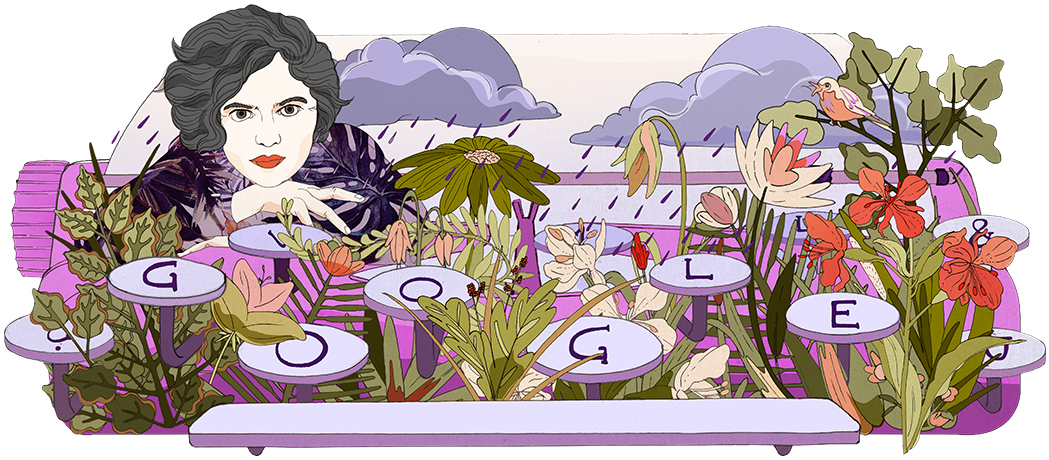
2020年9月16日「マーシャ・カレコを称えて(生誕113年)」のGoogle

200916mascha-kalekos-113th-birthday.jpg
Mascha Kaléko:マーシャ・カレコ(1907年6月7日〜1975年1月21日)
女性詩人。
現在のポーランドでユダヤ系の家系に生まれる。
第一次世界大戦が始まりドイツへ移住。1928年結婚。

1933年詩集「Das lyrische Stenogrammheft. Verse vom Alltag.」発表。
2年後に「Kleines Lesebuch für Große. Gereimtes und Ungereimtes.」を発表。

作風は、風刺的で口語調でスタイリッシュ。曲がつけられた詩もある。
ナチスによるユダヤ人への迫害がはじまり、彼女の詩集も禁止される。
離婚後、音楽家の男性と再婚。1938年アメリカへ移住。
1950年代半ばにドイツに戻り、その後、夫の仕事の都合でイスラエルに移住。

「1974年9月16日」は彼女がニューヨークのアメリカ記念図書館で詩の朗読会と公演を行なった記念日。
Today’s Doodle, illustrated by Hamburg-based guest artist Ramona Ring, celebrates the German-Jewish poet Mascha Kaléko, whose incisive poems and chansons earned her notable acclaim among the literary avant-garde in 1930s Berlin. On this day in 1974, Kaléko held her final reading in Berlin’s America Memorial Library.

Mascha Kaléko was born Golda Malka Aufen in 1907 in Schidlow, Galicia, in what is today southern Poland. With the outbreak of World War I, she and her family fled the country for Germany and eventually made a new home in Berlin in 1918.
200916mascha-kalekos-113th-birthday.png
#google

https://www.google.com/doodles?hl=ja
google "bird"
edit

    このエントリーをはてなブックマークに追加  


2020年9月1日「幸田文生誕 116 周年」のGoogle

200901aya-kodas-116th-birthday.png
幸田 文(こうだ あや、1904年〈明治37年〉9月1日 - 1990年〈平成2年〉10月31日)は、日本の随筆家・小説家。東京都生まれ。幸田露伴次女。女子学院卒。父露伴の死後、『雑記』『終焉』『葬送の記』などの回想文で文壇に登場。のち小説も書き、『黒い裾』『流れる』などで高い評価を得た。繊細な感性と観察眼、江戸前の歯切れの良い文体が特徴。折々の身辺雑記や動植物への親しみなどを綴った随筆の評価も高く、『こんなこと』『みそっかす』や、没後刊行された『崩れ』『木』などの多数の作品集があり、永い人気を保っている。他に映像化の多い『おとうと』も知られている。日本芸術院会員。

来歴
作家の幸田露伴、母幾美(きみ)の次女として東京府南葛飾郡寺島村(現在の東京都墨田区東向島)に生まれる。1910年、5歳のときに母を、1912年、8歳のときに姉の歌を失う。1912年に父の露伴が児玉八代(やよ)と再婚。1917年に寺島小学校を卒業。東京女子高等師範学校受験に失敗するが、八代のつてにより女子学院に入学。その年の夏休みから露伴による生活技術の教育を受けるようになる。1926年、22歳のときに弟の成豊(しげとよ)も失う。

1928年、24歳で清酒問屋三橋家の三男幾之助と結婚し、翌年娘の玉(青木玉)が生まれる。しかし、結婚から8年後、家業が傾き廃業。1936年、築地で会員制小売り酒屋を営む[8]も1938年に離婚、娘の玉を連れ父のもとに戻る。戦時中には、露伴の生活物資の確保のために働き(その一端は青木玉の回想記『小石川の家』(講談社のち文庫化)に詳述されている)、少女時代から露伴にしこまれた生活技術を実践していった。

1947年、露伴死去。露伴の思い出や看取りの記を中心にした『雑記』『終焉』を発表。のち『父』、『こんなこと』、1949年には幼少時の思い出を書いた『みそっかす』を連載するなどの随筆集を出版し注目された。しかし、1950年に断筆宣言をし、翌年柳橋の芸者置屋に住み込み女中として働いたが、病のため約2ヶ月で帰宅する。そのときの経験をもとにして1955年より連載した長編小説『流れる』(1956年刊行)で1956年に第3回新潮社文学賞受賞、1957年に昭和31年度日本芸術院賞を受賞した。また、『黒い裾』で1956年に第7回読売文学賞受賞、『闘』で第12回女流文学賞を受賞した。1976年に日本芸術院会員となった。

1965年の夏、奈良県斑鳩町の法輪寺住職井上慶覚から、焼失した三重塔の再建について話を聞いたことをきっかけに、官公庁への嘆願・申請や募金活動に尽力。その後自らも奈良に移り住み作業にも加わるなどし、1975年に再建された。

1988年5月から脳溢血により自宅で療養。その後は茨城県石岡市の老人ホームに入所。1990年10月29日に心筋梗塞を発症して隣接の石岡第一病院へ入院。2日後の10月31日、心不全により86歳で死去。叙従四位、勲三等瑞宝章追贈。

Today’s Doodle, illustrated by guest artist Yuko Shimizu, celebrates the 116th birthday of Japanese novelist, essayist, and feminist Aya Kōda, widely revered as one of the most luminary Japanese authors of her time. Kōda’s writing eloquently explored topics like familial relationships, gender roles, and traditional Japanese culture, and she came to be closely associated with the appearance of the kimono in her work.

Aya Kōda was born on this day in 1904 in the Japanese capital of Tokyo. Her father, Rohan Kōda, was one of Japan’s most esteemed authors, and Kōda began her writing career at age 43 with an essay about him for a literary journal.

In the 1940s and ‘50s, Kōda honed her captivating style through a series of similarly autobiographical essays that chronicled her life with the eccentric Rohan. Despite her unexpected literary success, she stopped writing for several months to work as a maid at a geisha house. Kōda’s experience among the kimono-clad women there inspired her 1955 debut novel “Nagareru” (“Flowing”), which is cited as a critical turning point in her career.

Today’s Doodle artwork depicts Kōda dressed in a kimono, a subject she examined so frequently that her first 1958-’59 essay collection featured covers made of hand-stitched kimono fabric. In the background of the Doodle artwork is the Horinji Temple found in Japan’s Nara prefecture. The Kōda family had strong ties to pagodas, and when a fire caused by lightning burnt down the original Horinji Temple in 1944, Kōda raised money that helped fund its 1970s reconstruction. Kōda went on to produce a prolific body of work, much of which can be found in her 23-volume, career-spanning collection published from 1994-’97.

Happy birthday, Aya Kōda, and thank you for sharing the fabric of Japanese culture with the world!

#google

https://www.google.com/doodles?hl=ja
google "bird"
edit

    このエントリーをはてなブックマークに追加  


2020年8月25日「2020 年七夕祭り」のGoogle

200825qixi-festival-2020-taiwan.jpg
Today’s Doodle celebrates the Qixi Festival, also known as Qixi Valentine’s Day, a celebration of love observed in Taiwan each year on the seventh day of the seventh lunar month.

The holiday traces its roots to an ancient Chinese story of forbidden romance. The legend tells of a human cow herder named Niúláng and a fairy named Zhinü–the daughter of the goddess of heaven–who fell in love and wed in secret. When Zhinü’s mother discovered that her daughter had married a mortal man, she forbade their love and demanded Zhinü return to heaven.

Niúláng attempted to find his wife in heaven, but the goddess created a river between them, known today as the Milky Way. Touched by Niúláng’s heartbreak, thousands of magpies formed a bridge over the river to reunite the couple, a scene reimagined in the Doodle artwork. In turn, the goddess agreed to allow the star-crossed lovers to meet once a year on this day.

In honor of the pair’s annual reunion, people across Taiwan take this day to celebrate the ones they love.

Happy Qixi Festival!

#google

https://www.google.com/doodles?hl=ja
google "bird"
edit

    このエントリーをはてなブックマークに追加  


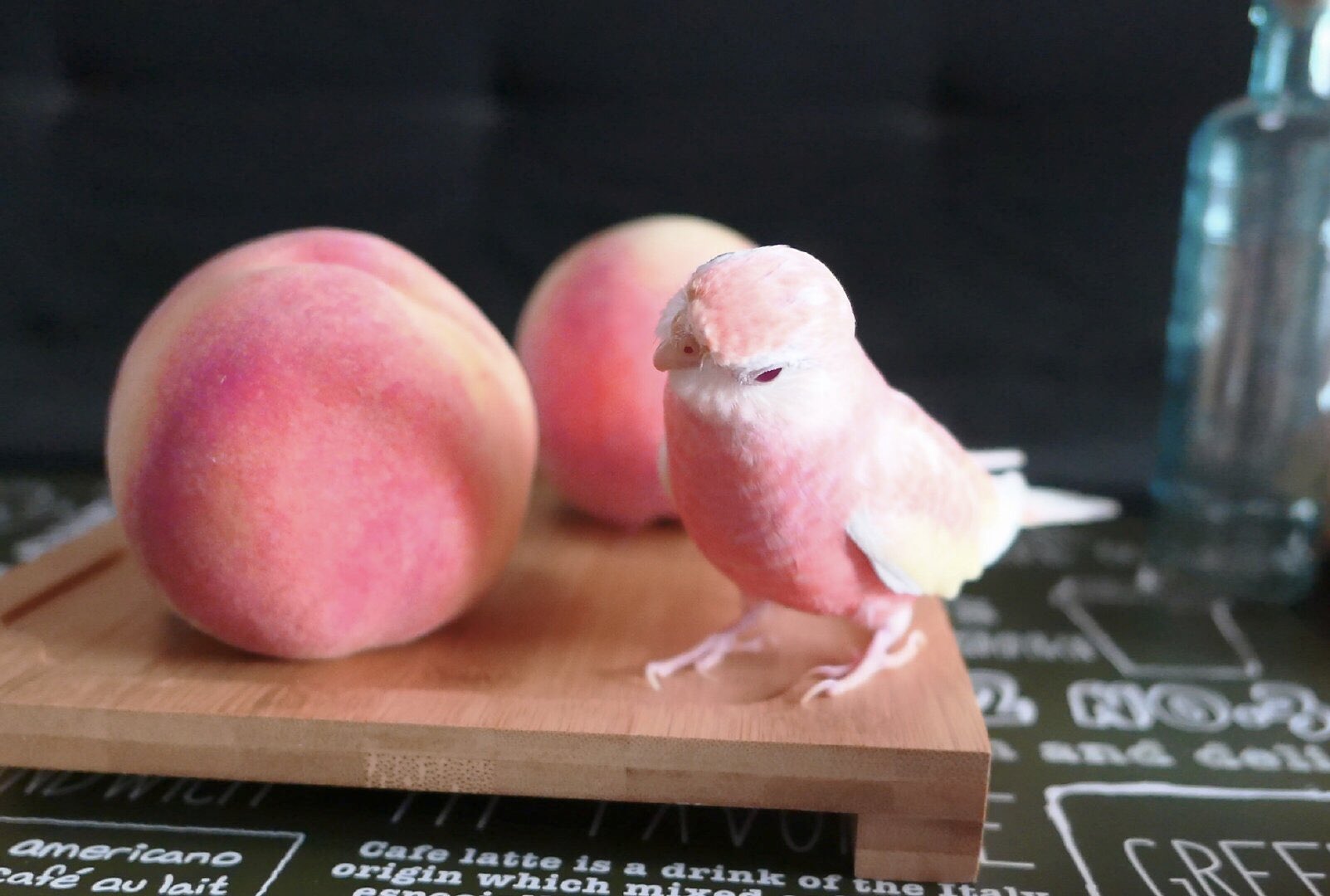
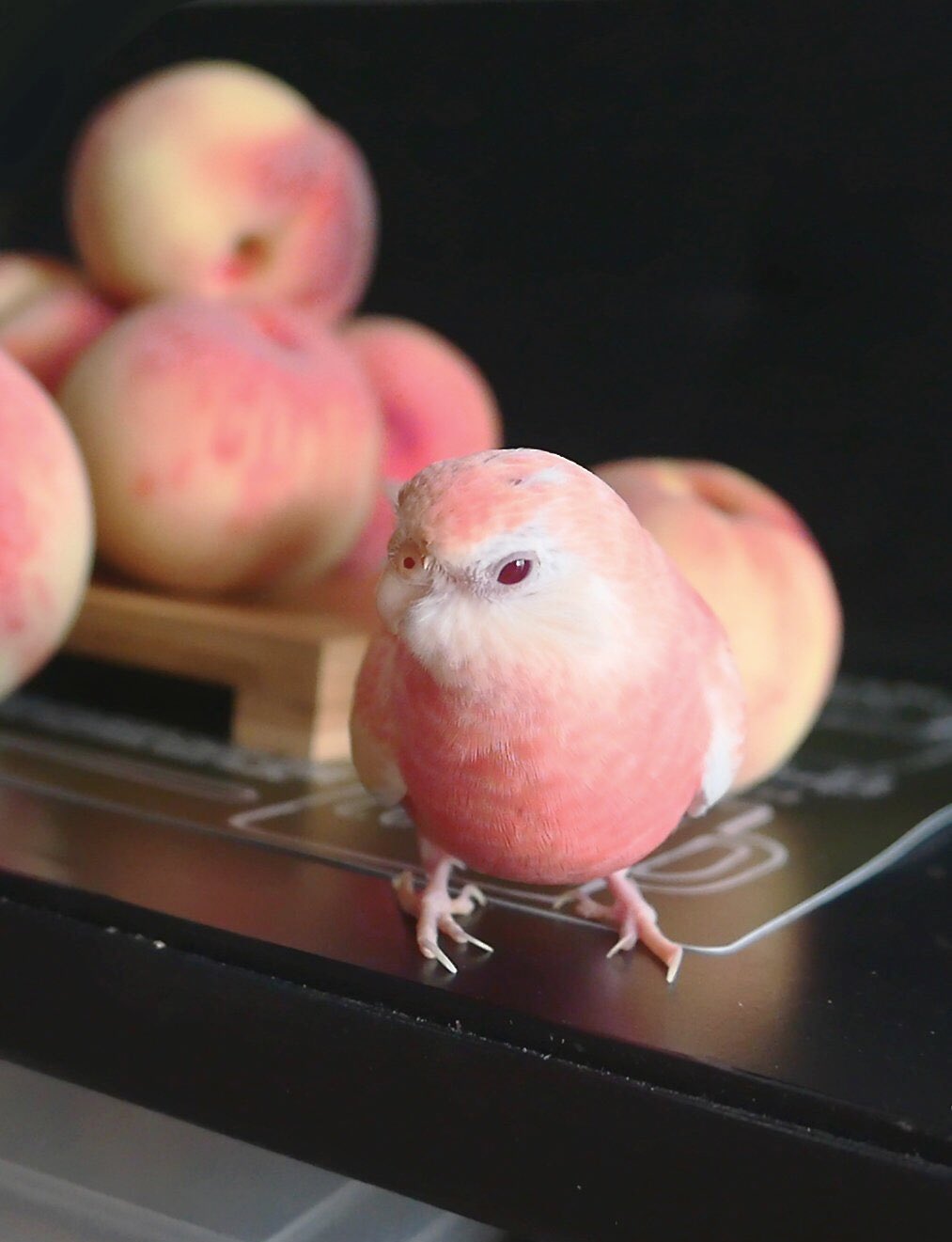
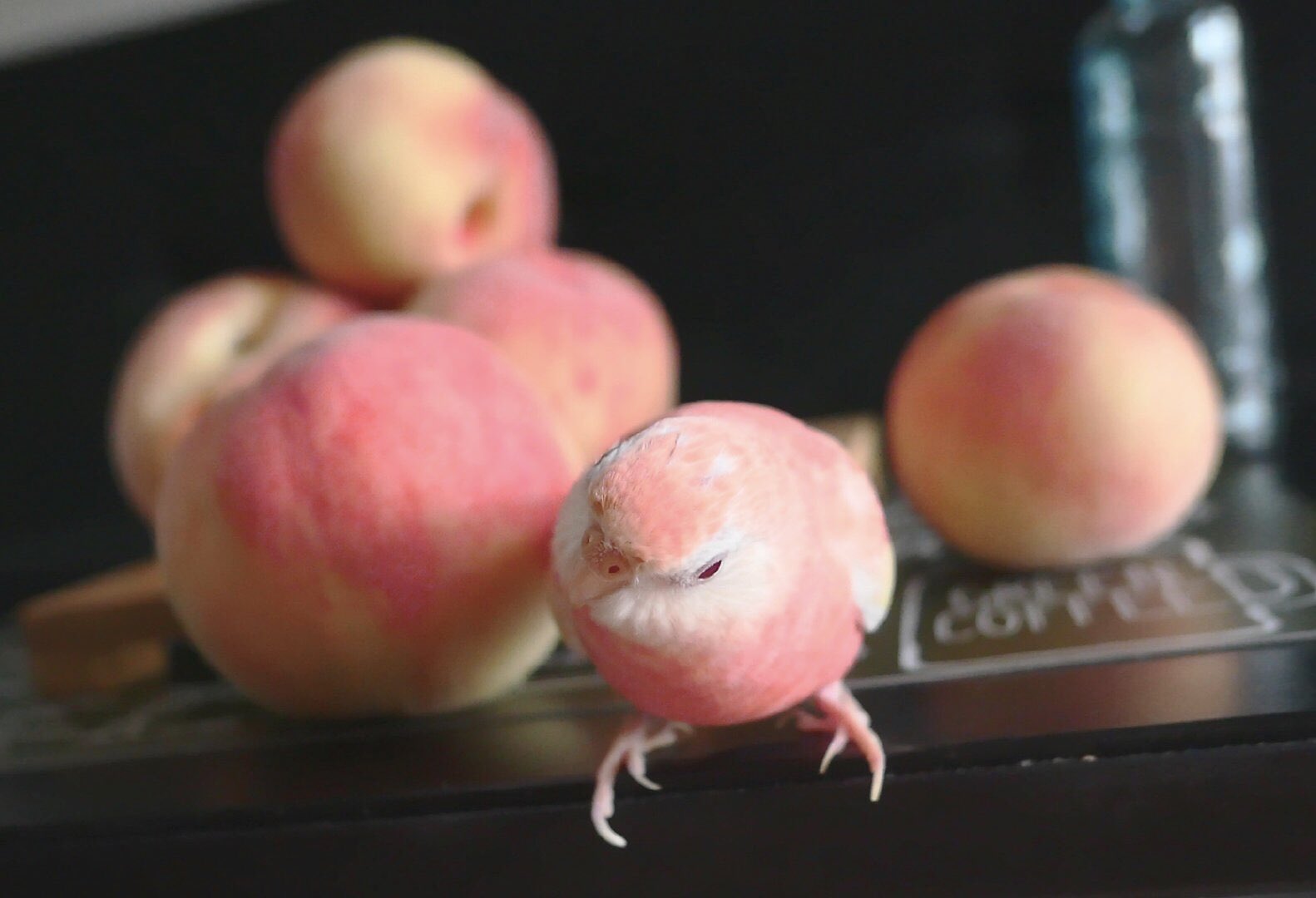
美しいインコの仲間01:まるで桃そっくり!かわゆすぎるアキクサインコ

まるで桃?いや桃の妖精?かとみまごうような
かわいすぎるインコらしき小鳥さん。
マジで本物?とまじまじ観てしまいますが。。。
Ee9KmoaU8Ac4NQp.jpg

実在の鳥さんです。
オーストラリアの固有種でアキクサインコ (学名:Neopsephotus bourkii)。

英名はBourke's Parrot・・・Bourke(バーク)は地名で
オーストラリアのニューサウスウェールズ州の北の外れ。
暑い日中を避けて夕暮れや夜明けに水を飲みに水辺に現れるため
Night Parrotの別名でも呼ばれるのだそう。
およそ「夜のインコ」っぽくないんだけど。

全長約19cm。腹面は桃色、頭部から背面は灰褐色、尾羽・風切羽は黒
翼の一部や腰部に青色の羽毛がある。
ん?黒や青の羽毛?どこどこどこに?

と思ったら、原種はこんな感じ。鳥ってこういうパターン多いけど
これまたビックリ。
Bourkes_Parrot9.jpg

「最近では澄んだ桃色に黄色の翼、赤い目を持つルビノー
ルビノーをさらに淡くしたようなルチノーなどがあり
他にもイエロー系、ブルー系、グリーン系などの作出もされている。
小型の愛玩鳥に桃色の羽毛を持つ鳥は他にいないため珍重されている。」

とのこと。これはどうやら「ルビノー」さんらしい。
さて、心ゆくまでご堪能ください。

Ee9KmotUEAYJFo0.jpgEe9KmpVUcAE5Mxv.jpg
Ee9KmpKVoAEKal6.jpg


元ネタはコチラ。
飼い主さんは毎年桃の季節になると、この記念撮影の儀式を
行っておられるようです(たぶん)。


小柄で扱いやすく、おとなしく静かな性格だそうで
小首をかしげる様子などもかわゆすぎて、キュンキュンしますね。

オーストラリアといえば「モモイロインコ」という
けっこう大型の美しいインコがいるんだけど、鶴舞公園に
インコ好きの方に連れられて来ていた個体にガブリとやられて
手の平を流血したことがあり(飼い主さん曰く結構気性が激しいらしい)
ドキドキするが、アキクサインコはおとなしく飼いやすいらしい。


ワタシのマンガブログ。ひよこカップルが大活躍☆
https://ameblo.jp/hiyoko-dagane/
120712_hiyoko-dagane1383487780473.jpg
edit

    このエントリーをはてなブックマークに追加  


2020年7月7日「2020 年七夕」のGoogle

200707tanabata-2020s.gif
Today’s Doodle celebrates Tanabata (七夕), an annual Japanese tradition that commemorates the fabled reunion of two celestial lovers kept apart by the vast expanse of the Milky Way.

First observed in Japan’s imperial courts as early as the 8th century, Tanabata is derived from a Chinese myth which dates back several millennia. The story tells of a troubled romance between a princess and weaver named Orihime and a cow herder named Hikoboshi, depicted in the Doodle artwork. Once wed, the couple began to shirk the duties of their work, and as punishment they were cast away to opposite sides of the galaxy by the bride’s father. He allowed them to meet just once a year, on the seventh day of the seventh month.

Look up today and hope for clear skies! According to the legend, the two star-crossed lovers can only meet if the weather is fair.

Happy Tanabata!

#google

https://www.google.com/doodles?hl=ja
google "bird"
edit

    このエントリーをはてなブックマークに追加  


2020年6月29日「スバックを称えて」のGoogle

200629celebrating-subak.jpg
スバック(バリ語:subak)とは、バリ島に見られる伝統的な水利組合である。現在のバリ島でも至るところで形成されており、その数は約1,200にも及ぶ。

スバックとバリ・ヒンドゥー
スバックは、「流水の分配」を意味するseuwakを語源としており、8〜9世紀頃に高僧ルシ・マルカンディアによって初めて形成されたと言われている。水資源の不安定なインドで生まれたヒンドゥー教では水を万物の始原とする地母神信仰が盛んであり、これがバリ島土着のアニミズム的汎神論と結びつき、バリ・ヒンドゥーの体系において水が神格化されたことで、スバックの行事や運営は、水を中心とする神事と密接なつながりを有している。

各スバックはそれぞれに自らの寺院を保有しているほか、取水堰や主な分水堰(トムク)にも堰堤寺院や石製の祭壇が設えられており、スバックの構成員は農作業はもとより、水に関わる各種の宗教行事に対して共同で参加し、その費用を負担している。スバックの寺院(プラ・スバック)では、稲の女神デウィ・スリや水の神とされるブタラ・ウィスヌに対して豊饒を祈る儀礼が行なわれる。

スバックの運営
スバックは、バンジャール(部落)やデサ(村)とは独立して形成されており、その構造はさながらひとつの村のようである。スバックの構成員(クラマ・スバック)は灌漑耕地の所有によって決定される(したがって、あるバンジャールの構成員がいくつかの異なるスバックに分かれて所属していることもある)。

クラマ・スバックのあいだでは定期集会が開かれ、スバックの長(クリアン・スバックないしプカセ)が構成員の中から互選され、アウィグ・アウィグと呼ばれる合意事項が定められ、スバックはこれにしたがって運営される。具体的には、独自に土地税を徴収し、共同作業(ゴトン・ロヨン)への参加を義務として課し、水の取り入れの権利を強く保証し、紛争時には調停を行うとともに、盗水などの違反行為に対する厳しい罰則規定を設けるといった活動がみられる。文化人類学者のクリフォード・ギアツの観察するところ、「スバックの言葉は法であり、それに逆らうことは犯罪」なのである。

世界遺産
スバックに基づくバリの文化的景観は、2012年、「バリ州の文化的景観 : トリ・ヒタ・カラナの哲学を表現したスバック・システム」としてユネスコの世界遺産(文化遺産)に登録された。この遺産は5件の棚田とその灌漑施設、および関連する寺院や湖から構成されている。その中には、18世紀に建立された王立水上寺院プラ・タマン・アユンも含まれているが、これはバリ島においてプラ・ブサキに次いで大きい寺院である。
Today’s Doodle, illustrated by Indonesia-based guest artist Hana Augustine, commemorates the culturally significant Indonesian irrigation system called subak, which was inscribed on UNESCO’s list of World Heritage sites on this day in 2012. This network of canals, tunnels, and dams has allowed the people of the island of Bali to sustain lush rice paddy fields and live in symbiosis with nature for over a thousand years.

The word subak refers not just to the irrigation infrastructure, but also to the cooperative social tradition that surrounds it. Through this system, a limited water supply is managed peacefully through some 1,200 collectives of individual farmers. Subak is considered to be a reflection of the ancient Balinese philosophy of Tri Hita Karana, which loosely translates to “three causes of well-being” and describes the ideal of spiritual, interpersonal, and natural harmony.

Firmly rooted in this ideology passed down through the generations, the traditional subak system has been upheld with unwavering dedication since its formation as early as the 9th century. In turn, Indonesian agriculturists have achieved an egalitarian rule of order that successfully sustains a harmonious balance between the land and the community of farmers that reap its benefits.

The practice of subak has created a majestic and abundant landscape of tiered rice paddy fields that waterfall for hectares, and is an irreplicable phenomenon that fills both the hearts and bellies of the Balinese people.

#google

https://www.google.com/doodles?hl=ja
google "bird"
edit

    このエントリーをはてなブックマークに追加  


2020年6月20日「2020 年冬(南半球)」のGoogle

200620winter-2020-southern-hemisphere.jpg

#google

https://www.google.com/doodles?hl=ja
google "bird"
edit

    このエントリーをはてなブックマークに追加  


<< 14/112 >>